An outdoor celebration has at least two weather questions: whether the gathering should continue, and what the reservation terms allow if it cannot. A covered picnic shelter can affect the experience of rain without becoming a safe place during lightning. Fairfax County Park Authority's picnic FAQ and National Weather Service guidance make those distinctions concrete. Build the guest message and the administrative follow-up around them, rather than waiting for a refund decision before making a safety decision.
Identify what the reservation actually covers
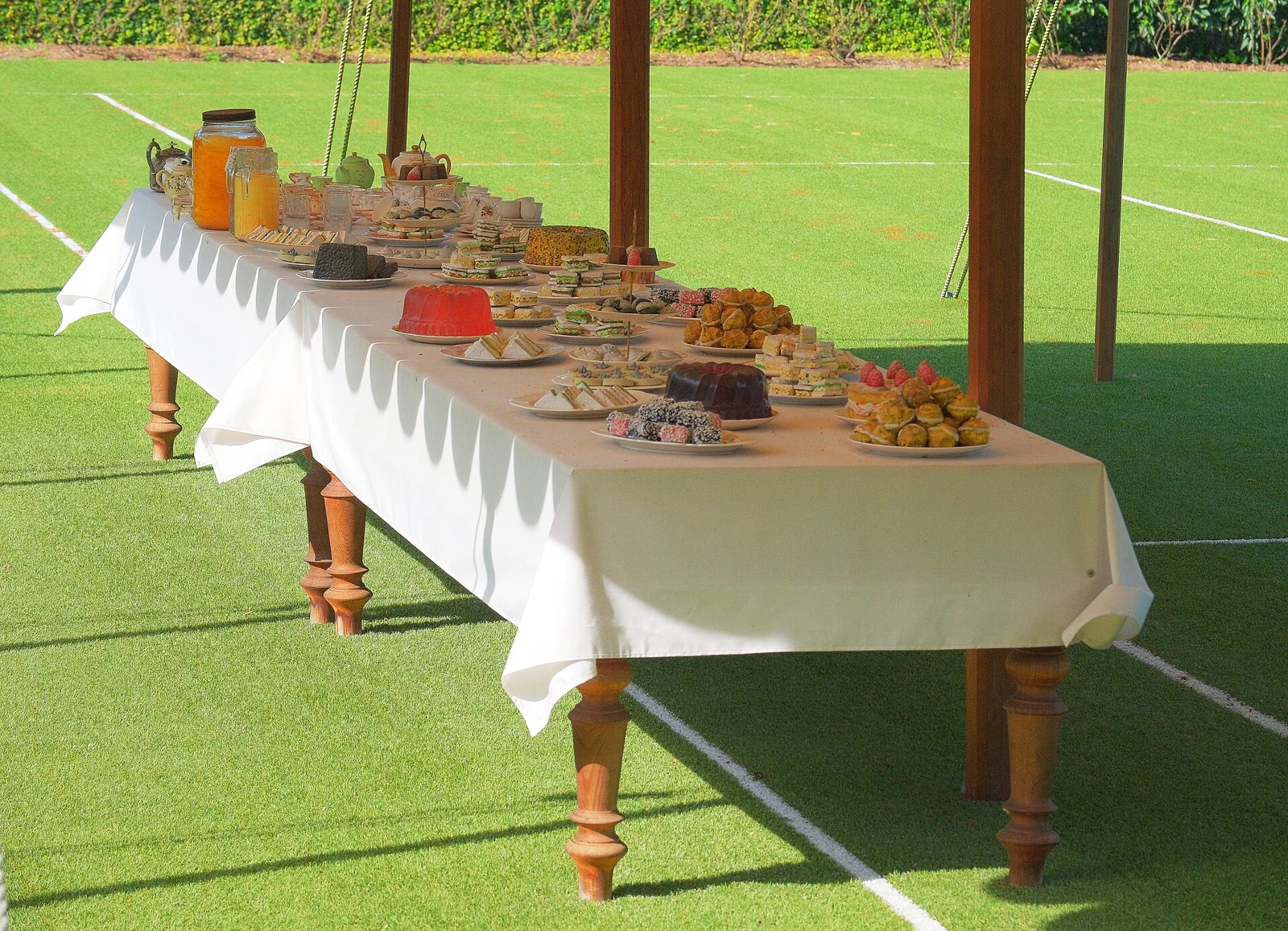
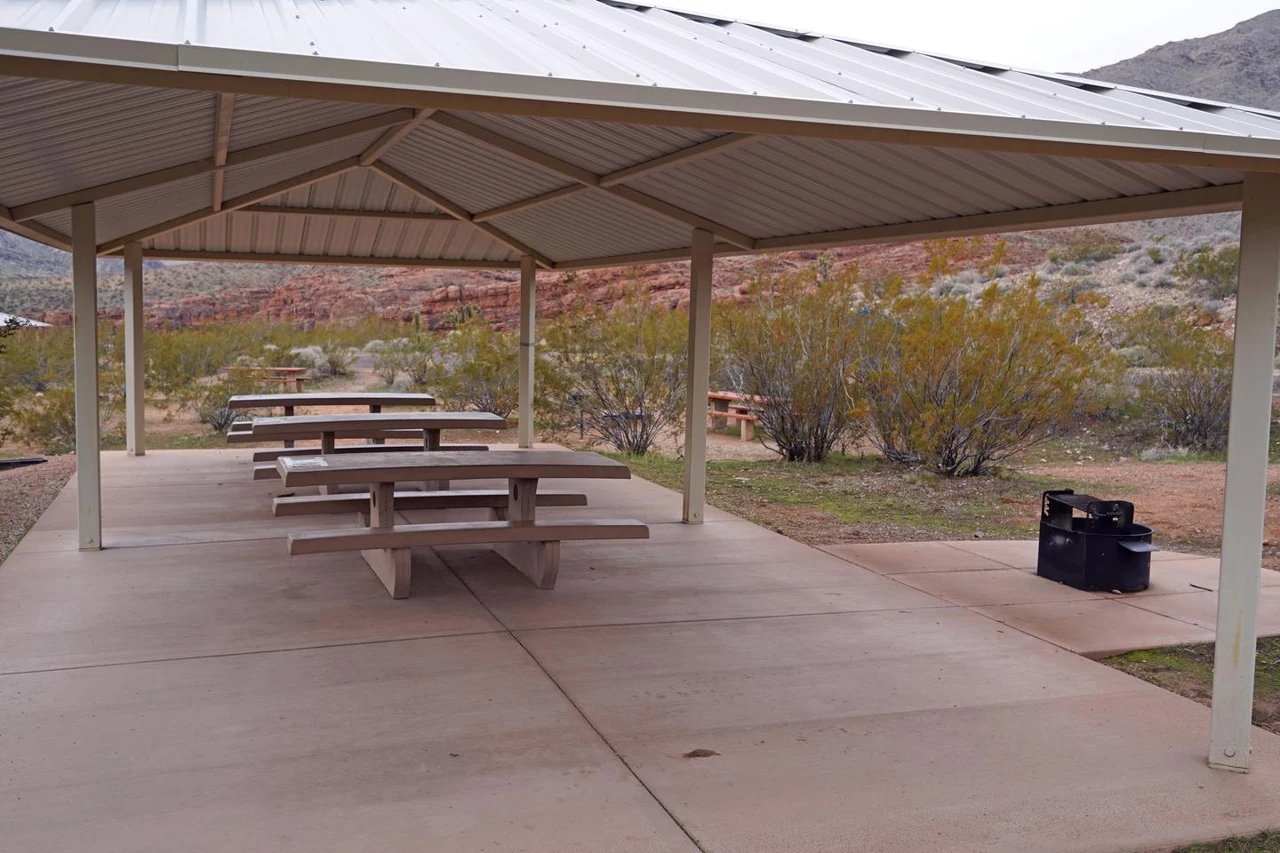
Fairfax describes several different outdoor facilities. A picnic shelter is covered; an ordinary picnic area has no cover; a seasonal canopy has cover during its stated peak season; a sun shade blocks sunlight but not rain. These names are not interchangeable descriptions of the booked space. Read the actual reservation and site information rather than assuming every listing includes a roof.
The same FAQ says indoor rentals are handled separately, through the site of interest. A picnic reservation therefore does not establish an indoor backup room. If an alternative gathering place is important, confirm its availability, permission and practical access before telling guests it is reserved. A nearby building appearing on a map is not a booking.
For the fictional example, imagine a host with a confirmed Fairfax picnic-shelter reservation for a small afternoon celebration. No particular park, capacity, nearby building or current weather forecast is asserted. Those details must be filled from the actual site before the event can have an executable lightning plan.
Write a plan before the first guest sets out
Choose who will check current local forecasts and park alerts, who can make the host's go/no-go decision and who will send the guest message. Give that person a backup contact so the decision does not depend on one unavailable phone. This division of household jobs is an editorial planning example, not a County staffing service.
NWS says that when thunderstorms are in the area there is no safe place outside, and hearing thunder means a person is likely within striking distance. Its outdoor guidance calls for a group lightning plan and notes that a large group needs extra time to reach safety. The host should identify actual safe-building or vehicle arrangements before relying on an outdoor location.
The NWS examples explicitly reject open-sided picnic shelters and tents as lightning shelter. A roof that makes drizzle more comfortable does not answer that separate risk. If the actual group cannot reach appropriate safety under a workable plan, do not treat buying another canopy as the missing solution.
An advance guest message can say: “Please check our message before leaving. We will confirm whether the outdoor gathering is going ahead and will send the actual alternative if it changes.” Do not insert a fictional indoor address or imply that the park office has approved an alternative it has not confirmed.
Use different responses for rain and thunder
For rain alone, consult the actual conditions, alerts, booked facility and host arrangements. Fairfax says parks do not close for rain alone and are typically open rain or shine unless exceptional circumstances apply. That describes park operations; it does not require a host to continue a particular celebration or certify that every route and activity suits every guest.
For thunder, act on the lightning plan rather than waiting to see whether the park closes. NWS directs people to safe buildings or vehicles and uses a wait of thirty minutes after the last rumble of thunder before returning in its outdoor examples. A new rumble changes which rumble is last; the interval is not thirty minutes from the original party start.
A short change message should lead with the action guests need: “The outdoor gathering is stopped. Follow the agreed safety arrangements; we will discuss the celebration later.” The wording must fit the real plan and emergency circumstances. Decorations, photographs and food service are secondary to getting people out of the unsafe outdoor setting. This article has not assessed a particular site or vehicle.
Handle the reservation question separately afterward
Fairfax's FAQ treats facility categories differently. For an amphitheater, canopy, gazebo, picnic site or volleyball court affected by inclement weather, it says to email the Picnics Department and request a refund within forty-eight hours after the rental start. Picnic-shelter reservations are not refundable for ordinary inclement weather such as rain or sprinkling.
For a shelter affected by severe inclement weather when the site cannot be used, the FAQ allows a refund request by email within forty-eight hours after the event start. It expressly says full or partial refunds or credits are not guaranteed and late requests are not accepted. A timely request is therefore a request, not a refund entitlement.
In the fictional shelter example, preserve the reservation details and explain the actual circumstances through the stated contact route, [email protected], within the applicable window. Do not rewrite ordinary rain as severe weather to make the request sound stronger. Check the current terms for the actual reservation before relying on this example.
The practical timeline now has separate jobs: confirm the site and real safety arrangements in advance; communicate a host decision before travel where possible; act promptly if thunder occurs; then deal with any eligible administrative request. That sequence preserves the distinction without promising a replacement venue, a weather-free afternoon or compensation.
Sources & further reading
Published sources for the details and examples discussed in this story.