A graduation lunch often gathers people with different journeys, appetites and ideas about when the ceremony will finish. The most useful planning document is a running order with room for those differences. Design the meal around arrivals and a clear shared moment, rather than around a table that must look complete at one exact minute.
Start with the fixed points
Confirm the institution's current ceremony arrangements, including the expected finish and any separate photography or reception plans. Do not make the lunch invitation depend on a precise exit time you cannot control. Give guests a clear message about when food will be available and how they will hear if the ceremony runs later than expected.
Choose a location that works for the actual journeys. At home, consider parking, access and the space needed for coats and bags. At a restaurant, discuss the booking's timing and late-arrival policy directly. A convenient venue can be more valuable than an impressive one that adds another difficult transfer to a day already full of movement.
Choose the meal's shared moment
Decide whether the gathering centers on sitting down together, a toast or cutting a cake. You do not need all three to happen on a strict schedule. Tell the people helping which moment matters most, and leave the surrounding food service flexible enough that one delayed guest does not hold every other guest in suspense.
Ask the graduate what kind of attention they actually want. A short toast may be welcome; a surprise slideshow may not. Agree on any photographs, speeches or gifts before assigning tasks. The celebration should reflect the person and their achievement rather than a general image of what a graduation party ought to contain.
Serve in practical stages
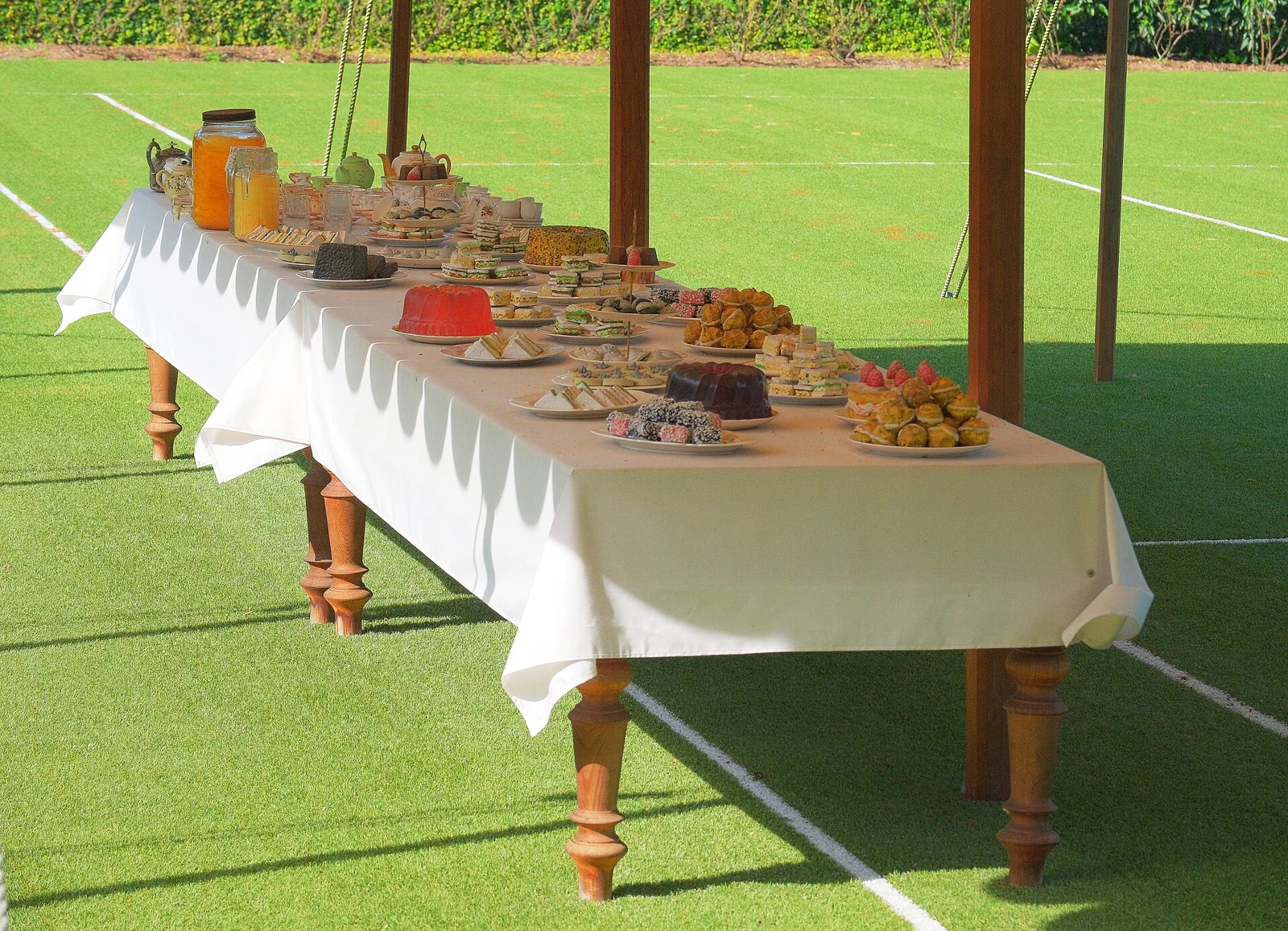
Choose food you can hold and serve safely under the conditions of the venue. If using a buffet, bring out manageable quantities and maintain appropriate temperature control. Washington State's picnic guidance is relevant to outdoor or transported food; a pretty serving dish does not make perishable food suitable for an extended afternoon on the table.
Keep ingredient information and the agreed dietary arrangements accessible to the people serving. Place drinks somewhere that will not congest the food queue. Use a suitable place for used plates, and make the next clean glass easy to find. These small operational choices free the host to participate in the conversation instead of repeatedly crossing the room with an urgent task.
Buy for the gathering you have
Borrow or use everyday tableware if it comfortably supports the meal. A set of durable serving utensils may earn its place after the event; a large quantity of themed objects may not. If you want a decorative element, choose something easy to place and remove without interfering with food service or the room's normal circulation.
Leave a simple ending in the plan. Guests may need to travel home, and the graduate may have another commitment. Share the approximate finish without making departure feel abrupt. Refrigerate suitable leftovers promptly and deal with the food that needs immediate attention before saving nonessential clearing for later. A relaxed event still benefits from knowing what must happen next.
Sources & further reading
Published sources for the details and examples discussed in this story.