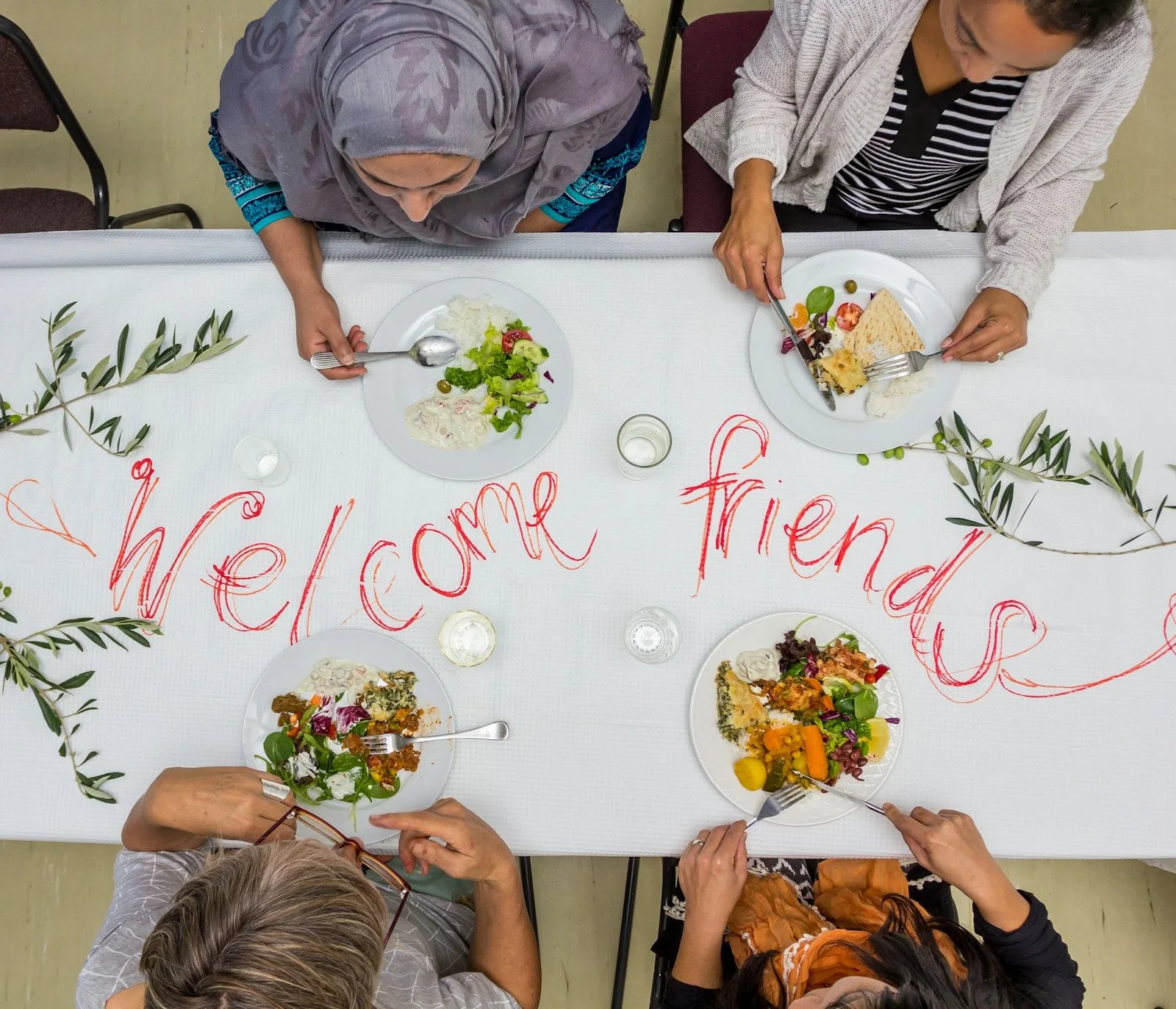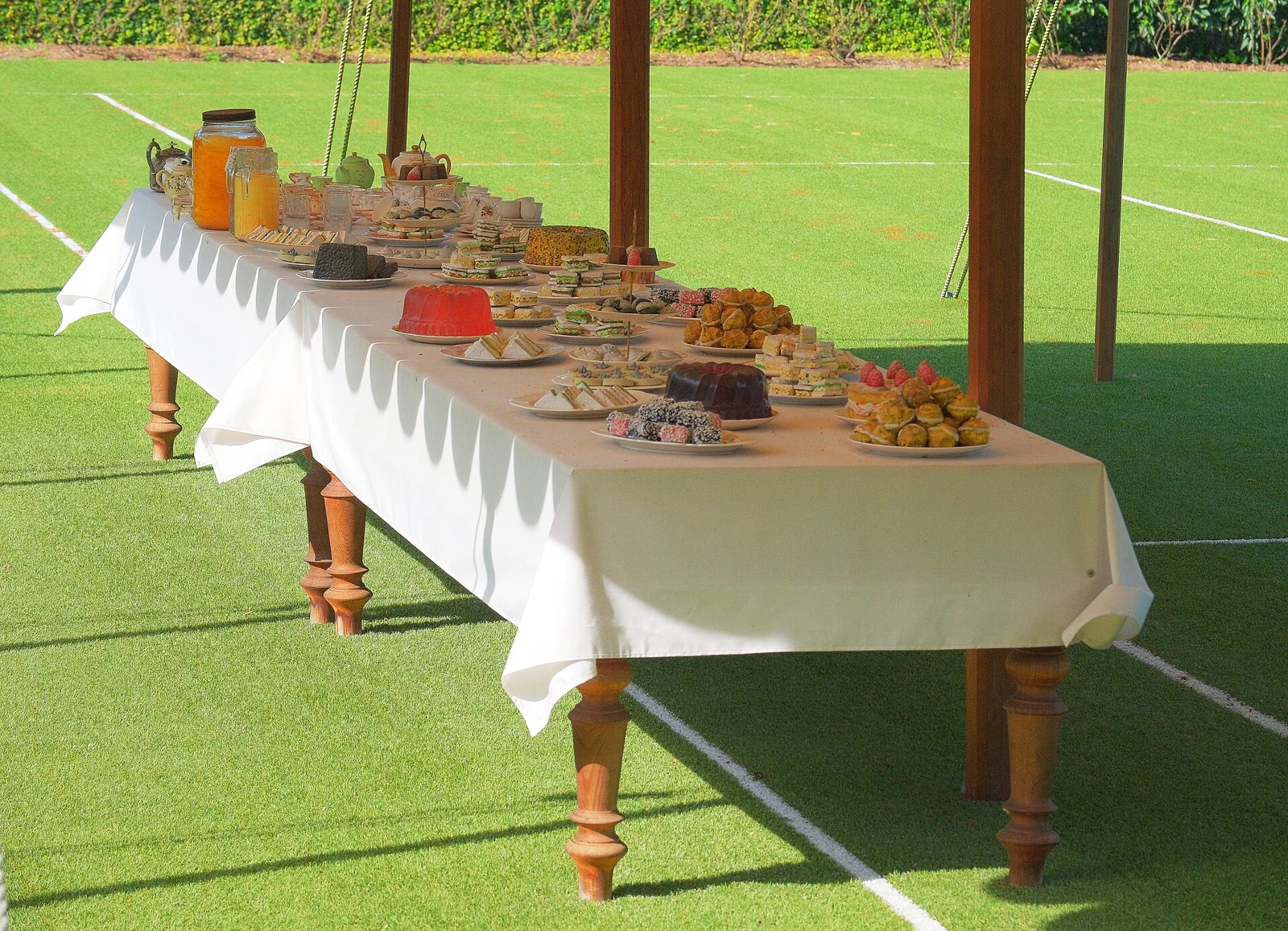
A daytime celebration at home can feel generous without becoming a miniature banquet. Daylight, a clear welcome and food that is easy to serve do much of the work. Begin with the people and the length of the gathering, then choose the few details that make it comfortable to stay and talk.
Give the invitation a clear shape
State the start time, the kind of food planned and a realistic end or approximate duration. Guests can then arrange their day without guessing whether a late-morning invitation means snacks or lunch. Include practical arrival information privately where appropriate, and ask about needs that would change seating, access or food arrangements.
Choose a guest count the room can accommodate in ordinary use. Count actual seats and the space needed to move between them. A standing gathering still needs thoughtful seating for people who want or need it. Borrow suitable chairs before buying decorative furniture for one afternoon, and keep the route through the room uncluttered.
Put the welcome near the entrance
Create somewhere obvious for coats and bags without blocking the door. Offer a drink and point out the practical things guests might otherwise hesitate to ask about. A small tray of glasses can make the first few minutes easier, provided it is stable and reachable. There is no need for an elaborate entrance display competing with people arriving.
Keep music at a level that supports the conversation you want. Try the arrangement from several seats before anyone arrives. If you are opening doors onto a garden, consider weather, pets and the practical boundary between indoors and outside. Plan an indoor version from the beginning so a shower changes the setting rather than the whole event.
Choose food with a manageable rhythm
A small menu of dishes you know how to prepare is easier to serve than many unfamiliar recipes. Match it to the equipment, fridge space and time available. Public-health picnic guidance is useful when food moves outdoors: perishable dishes need appropriate temperature control and should not be left out indefinitely because the table looks attractive.
Bring out manageable amounts and replenish safely rather than displaying everything at once. Use suitable serving utensils and keep ingredient information available for guests who ask. Confirm dietary requirements directly and avoid promising that a dish is free from an allergen when you cannot establish the ingredients and preparation conditions. Clear, honest information is part of good hospitality.
Reserve your attention for guests
Complete the room's practical setup before turning to flowers or decorations. One modest arrangement, a cloth already at home and clean everyday tableware may be enough. If buying something, choose an item that will serve ordinary meals afterward, such as a stable jug or a tray that fits your actual glasses.
Build a short pause into the hosting plan: food ready to serve, a place for used dishes and someone who knows where an extra glass lives. Accept help in specific, small tasks rather than apologizing that there is work to do. Leave major clearing until the gathering has naturally ended, unless a spill or food-storage need requires immediate attention.
Sources & further reading
Published sources for the details and examples discussed in this story.