The details guests remember from a small wedding are often ordinary comforts: knowing where to go, finding a seat and understanding what happens next. Begin there before adding another decorative element. A modest budget can still support thoughtful choices when each one responds to a real moment in the day.
Trace one guest's arrival
Follow the route from the invitation to the ceremony seat. Is the location clear, and does the stated arrival time leave room for the practical steps involved? Share the relevant transport and parking information without assuming everyone knows the area. Keep a contact plan for questions that will not depend on the couple answering messages during the ceremony.
Ask about access requirements early and discuss them with the venue. Government guidance on accessible meetings is a useful prompt to consider information formats and participation needs, but wedding arrangements require venue-specific answers. Do not label a place accessible based only on a photograph of its entrance. Confirm routes, facilities and any assistance directly.
Spend on usable seating and shelter
Check how long guests will stand, sit or move between spaces. A charming outdoor setting needs a weather plan that works for the actual guest count and equipment. Confirm who decides when to switch plans and when that decision must be made. A basket of accessories cannot replace suitable shelter, seating or a workable venue arrangement.
If the ceremony and meal are separated by a wait, explain what guests can do and where they can rest. Think about drinking water and appropriate refreshments, with a safe serving plan. Avoid assuming that everyone can comfortably fill an hour by walking around the grounds. Options matter more than a tightly controlled expectation of how to enjoy the gap.
Make the meal easy to understand
Tell the caterer about agreed dietary needs through its proper process and keep the final information organized. Ask how the menu and service will communicate choices to guests. Do not turn a decorative place card into the only record of an important requirement. A clear operational list should remain available to the people preparing and serving the food.
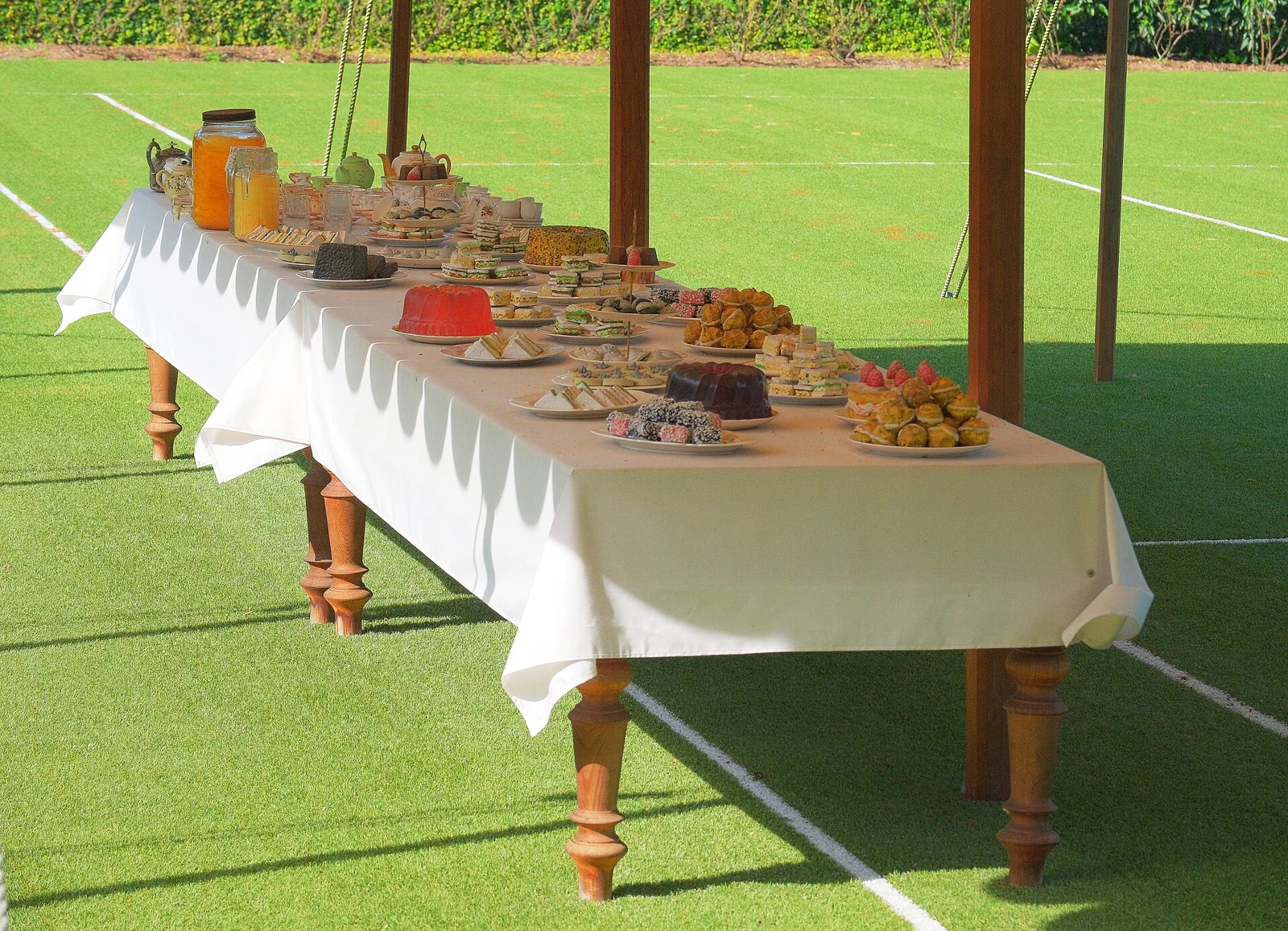
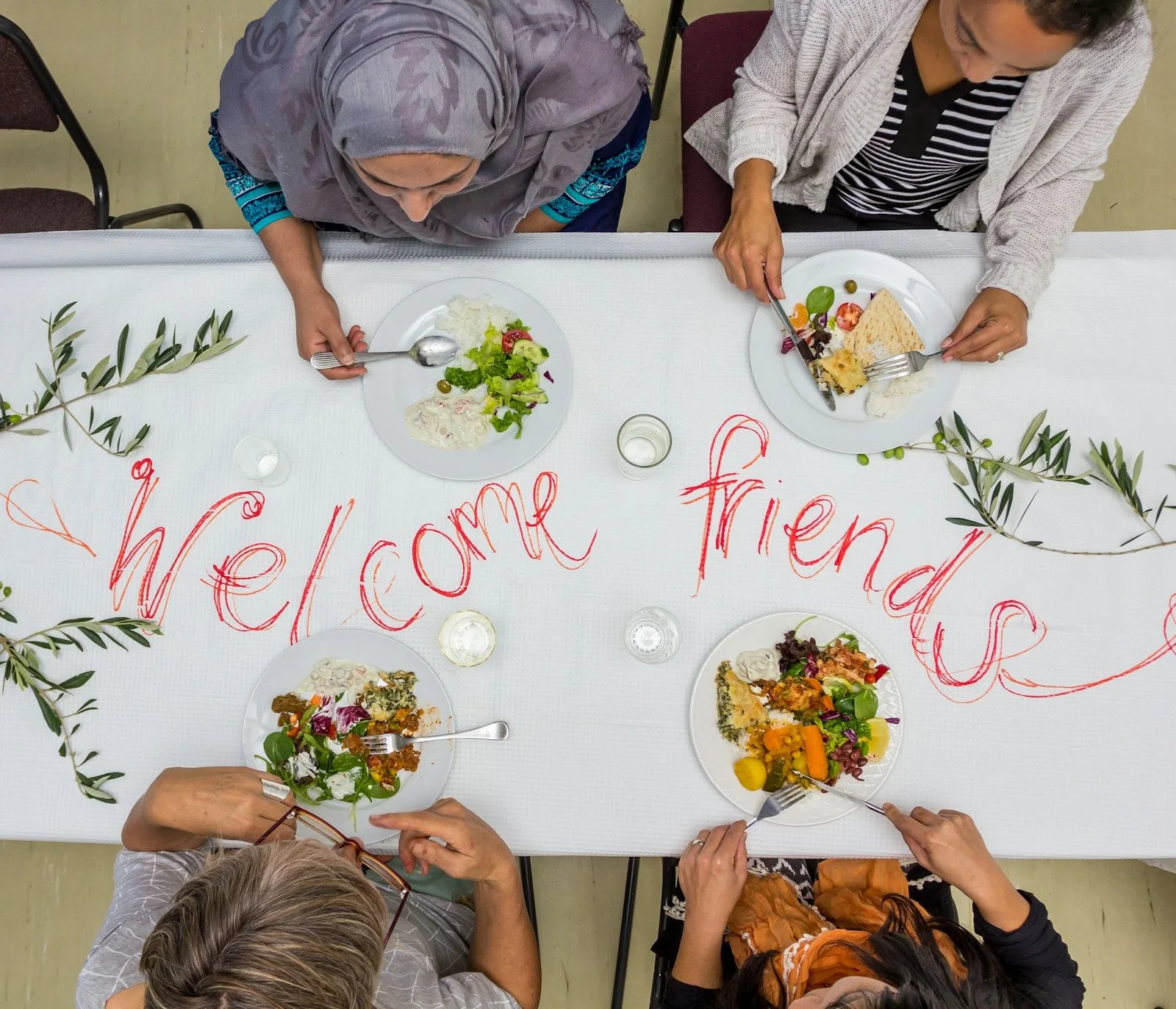
Plan the table around actual settings, glassware and sightlines. Leave space for people to sit down, put a bag safely away and talk across the arrangement. A small floral detail may feel more generous than a large centerpiece that requires guests to lean around it. Try one complete setting before ordering duplicates.
Choose favors and extras last
A favor is optional. If you want one, consider whether guests can carry it home easily and whether any food item has clear ingredients and appropriate storage. One practical note of thanks can be more meaningful than an object purchased simply to occupy a place setting. Keep the focus on a comfortable shared occasion.
Review the final schedule for transitions: ceremony to drinks, drinks to meal, meal to departure. Give simple directions at the points where people need them. Ask a trusted helper or coordinator to manage practical questions within an agreed role, so the couple can stay present without leaving guests uncertain about the next step.
Sources & further reading
Published sources for the details and examples discussed in this story.