A coordinated tablecloth and napkins can look like a single decorating decision while containing different fibers. A bundle title does not tell you which composition belongs to which piece. Before comparing prices, make a separate row for the tablecloth and another for the napkins. The 2022 edition of the federal textile rule provides a useful distinction between units with different fiber content and pairs or ensembles with the same content.
| Fictional comparison | Record separately | Do not infer |
|---|---|---|
| Mixed-content tablecloth and napkins | Tablecloth:100% cotton; napkins:60% linen/40% cotton | One shared percentage for the entire set |
| Four same-content napkins | The stated composition and identification of the set | Every unit must necessarily bear a separate tag under §303.29(b) |
| Unclear listing | Which component each composition describes | Matching appearance establishes matching content |
Keep the two cases in the rule separate
Section 303.29(a) addresses a textile product containing multiple parts, units or items with different fiber content. It describes separate labels showing the required information for the respective items. It also permits a single label where the items are marketed or handled, sold and delivered to the ultimate consumer as one product or ensemble, provided the composition of each item is shown separately.
Section 303.29(b) addresses pairs or ensembles with the same fiber content. In that case, the rule says only one unit needs the required label when sold and delivered to the ultimate consumer. The practical distinction is therefore not simply whether every visible napkin has a tag. First establish which of these different-content or same-content situations the product information describes.
Give a mixed-content set two named entries
Imagine an invented set with a tablecloth described as 100 percent cotton and napkins described as 60 percent linen and 40 percent cotton. These percentages are fictional examples, not statements about a real merchant or the photographed cloth. Put the tablecloth description on its own row and the napkin description on another, preserving the component names beside the numbers.
A single label can still communicate those two compositions separately under the conditions described in paragraph (a). One label is not the same thing as one shared composition. Conversely, a vague bundle description that says cotton and linen leaves the buyer without a clear component mapping. Ask which information belongs to the tablecloth and which belongs to the napkins before relying on the description.
Do not average the pieces into a new product claim
Averaging the two fictional cotton percentages would give 70 percent, but that number describes neither the fictional all-cotton tablecloth nor its 40-percent-cotton napkins. It also ignores the relative fiber weights of the items. Even a separate calculation using weights would not replace the component-by-component information being considered here. Keep the original descriptions intact.
This matters when comparing two sets. A less detailed listing should not acquire an invented shared percentage merely to fit a comparison chart. Mark an answer as missing when it is missing. A precise question to the seller is: Which fiber composition applies to each named component of the exact set I would receive? Retain the response with the particular product and configuration.
Read a same-content napkin set differently
Now imagine a second fictional product: four napkins with the same fiber content, sold and delivered together as a set. The same-content provision explains why one labeled unit may be enough under that provision. Do not assume that the absence of an individual tag on every napkin, by itself, resolves whether the set follows the rule.
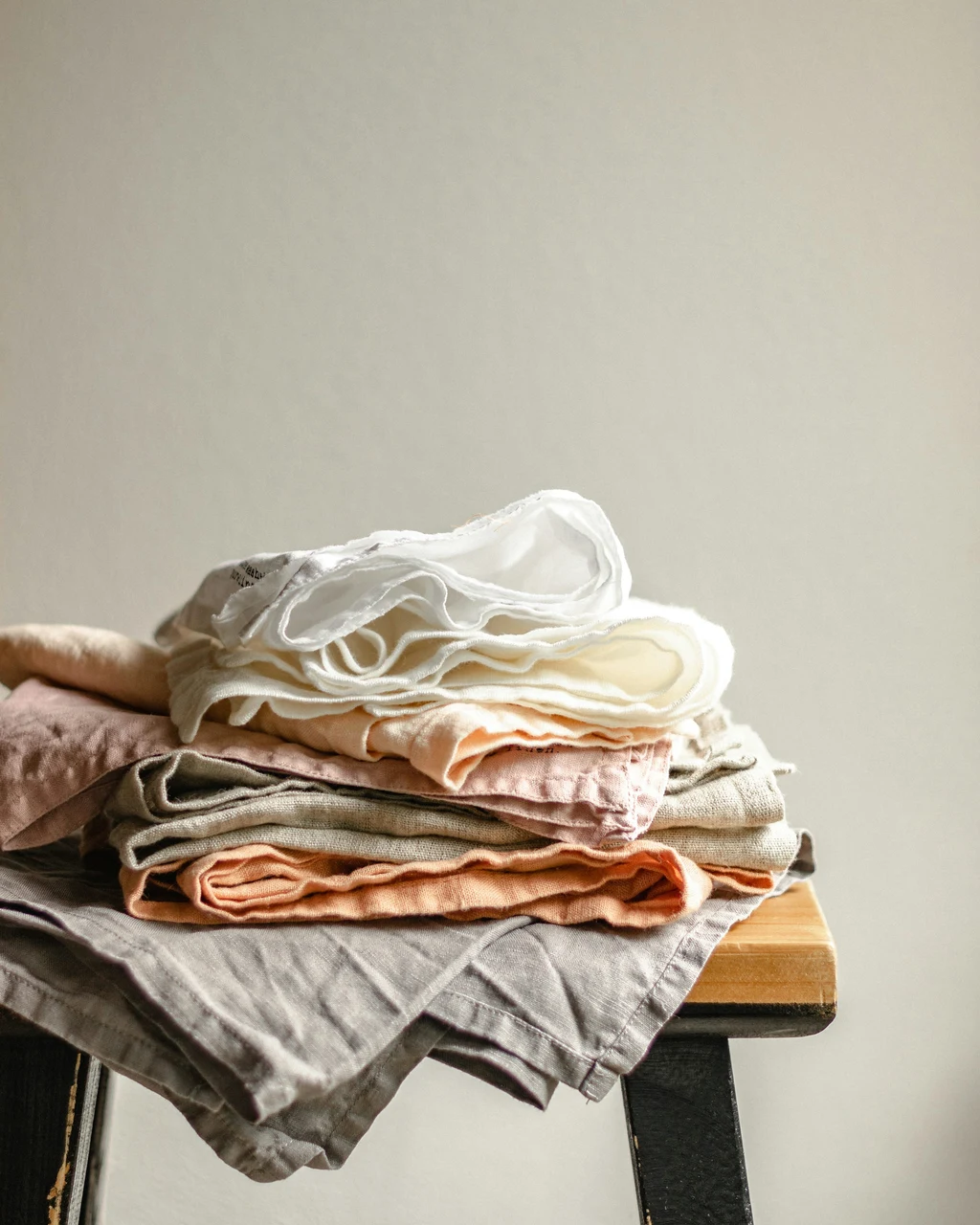
Equally, a matching color or similar-looking weave cannot establish that the units have the same content. The source photograph shows folded cloth textiles as decorating context. Small partial printed marks are visible, but the image supplies no verified maker, composition, certification or compliance finding. It is not evidence that any particular pair-of-products labeling condition has been met.
Use the record to narrow the purchase
Compare the exact component descriptions and the current seller information before deciding which set meets your preferences. If a seller changes the number or type of included pieces, check the descriptions again rather than carrying an answer from another configuration into the cart. The table below is a record structure, not a completed inspection of a product.
This article uses a specifically identified 2022 provision to explain that reading exercise. It does not determine a merchant’s legal compliance or cover the full textile-labeling framework. It also supplies no laundering instructions or fabric-performance test. Keep unanswered composition questions visible; coordinated styling can be compared after you know what each piece is described as containing.
Sources & further reading
Published sources for the details and examples discussed in this story.