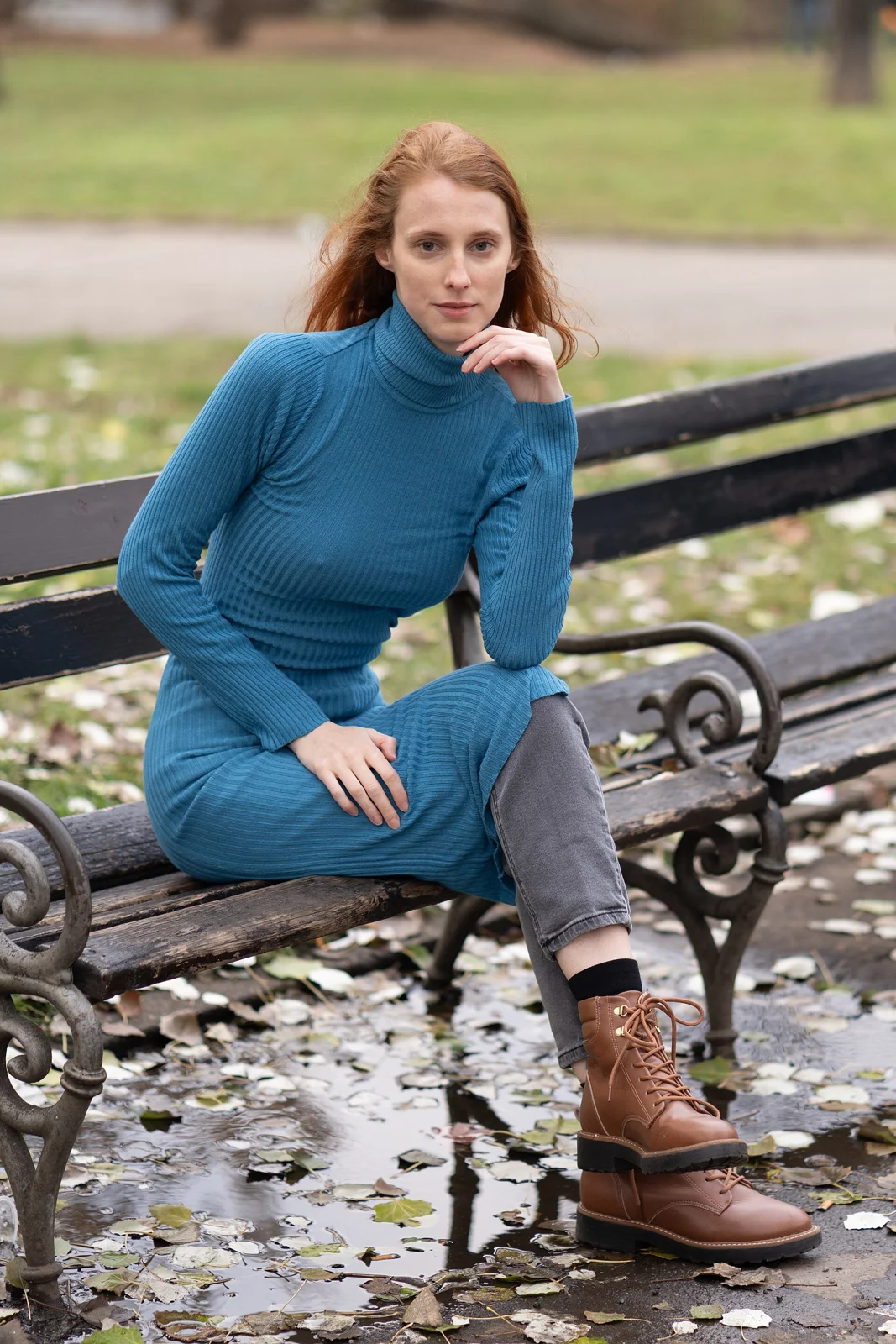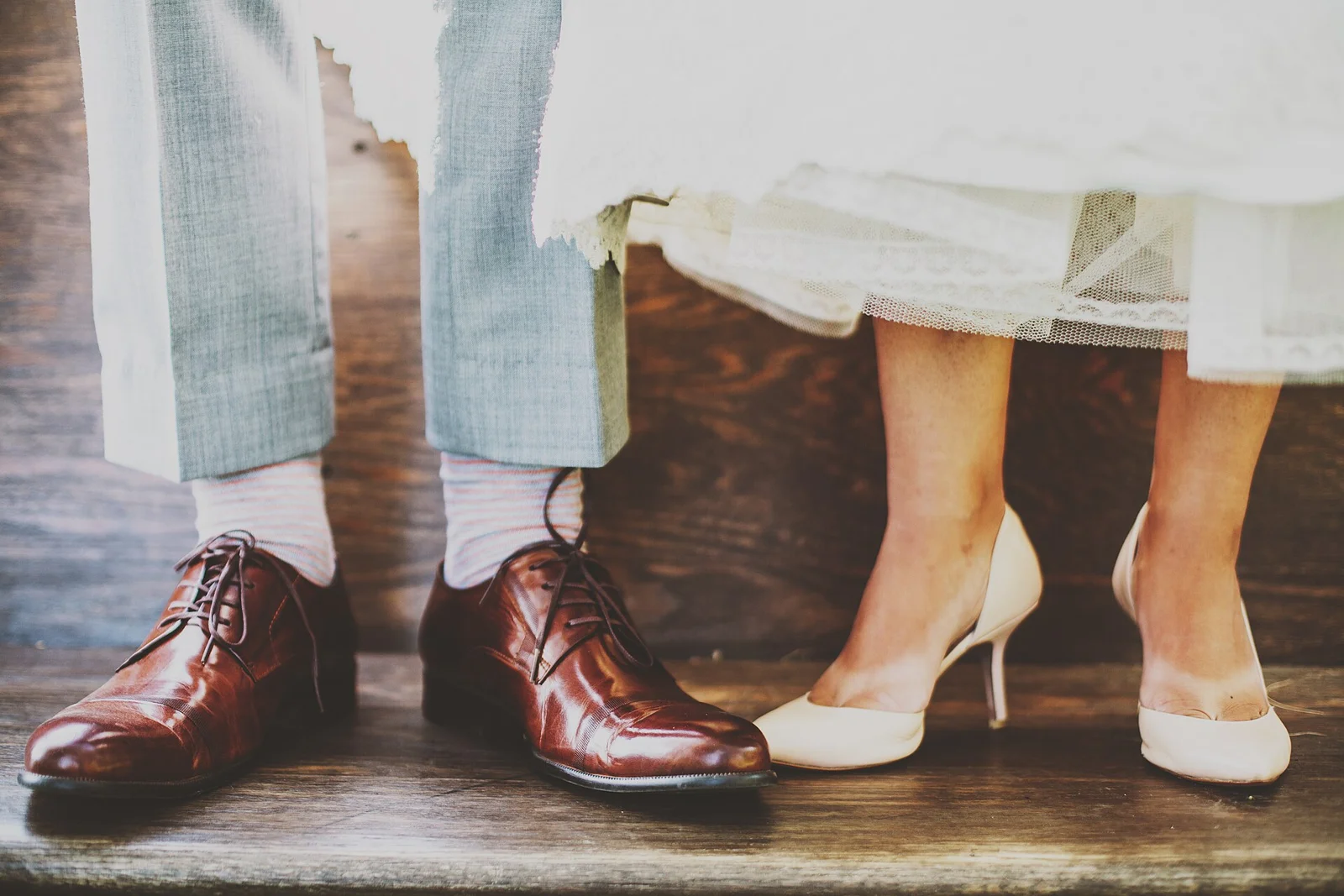
The ground is an essential part of the summer-event dress code. Grass, gravel, steps and polished indoor floors can ask more of a pair of shoes than a seated fitting suggests. Start with the venue and the time on your feet, then choose the style you can use through the whole day.
Ask where the event actually happens
A garden venue may include a paved terrace, a lawn ceremony and a long walk from parking. Request the practical details rather than interpreting one photograph as the complete setting. Check whether the weather plan changes the surface or route. If mobility or access affects your visit, discuss the actual arrangements with the host or venue.
Think about the transitions as well as the main room. A taxi drop-off does not necessarily remove the steps between road and table. A spare pair may help in some circumstances, but it also needs a place to travel and a moment to change. Choose an initial pair that makes sense for as much of the day as possible.
Try the shoe as part of the outfit
Use the hosiery or socks you plan to wear and assess the fit under the shop's conditions. Walk, turn and stand for more than a few seconds. Notice pressure points and whether you are changing your gait to keep the shoe on. Do not buy discomfort on the assumption that an important occasion will make it disappear.
Check the hem with the actual shoe, particularly if clothing has been altered. A different heel height can change where the fabric sits. If you are choosing flats, give them the same attention to fit and the venue rather than treating the absence of a heel as a universal comfort or safety guarantee.
Match the design to the surface
Compare the support and contact area of the sole with the conditions you expect. A narrow heel may behave differently on soft ground from a broader design, but every specific shoe still needs a suitable assessment. Ask the venue and the seller for relevant guidance rather than relying on a decorative accessory to make unsuitable footwear work.
Avoid improvising attachments or sole treatments without checking compatibility and instructions. They may affect the shoe, its returnability or the way it feels underfoot. If the event requires equipment or footwear for a particular activity, make that a separate practical decision instead of expecting a formal shoe to perform every role.
Include care and the journey home
Read the footwear maker's cleaning and weather guidance. General apparel care information, including the FTC's clothing rule, is a reminder to ask about maintenance, not evidence that shoes follow the same requirements. Check the exact materials, especially where a decorative finish or trim changes how the shoe should be handled.
Plan a sensible way home and a place to keep any replacement pair. If a new purchase requires additional bags, treatments and emergency accessories before it feels usable, compare a simpler alternative. Keep the final choice connected to the event you know about, rather than to an imagined perfect summer party on a smooth studio floor.
Sources & further reading
Published sources for the details and examples discussed in this story.