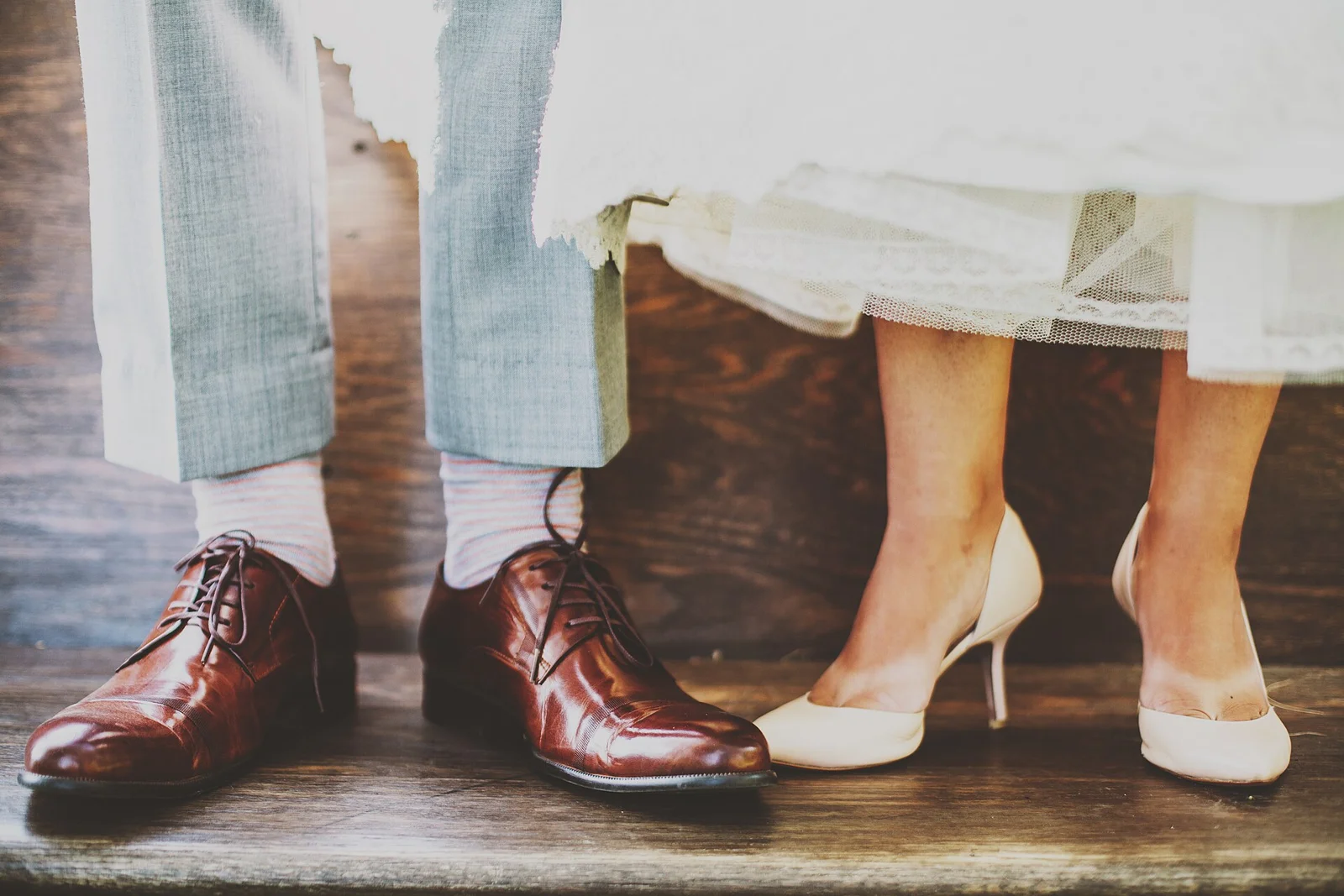
An occasion dress becomes a more satisfying purchase when you can picture it beyond the first invitation. That does not mean choosing something plain or calculating away every bit of pleasure. It means finding a dress whose fit, care and styling possibilities belong to the life in which you will actually wear it.
Begin with the first occasion
Read the invitation and ask the host about an unclear dress expectation rather than guessing from a trend list. Consider the venue, season and the parts of the day spent indoors or outside. A dress for a seated dinner may need a different practical balance from one for a long garden reception.
Try the dress with the underlayers and shoes you expect to use, where the shop's policy allows. Sit, reach and walk. Check whether a neckline or strap needs constant adjustment and whether a hem works on the relevant surface. The goal is comfortable, appropriate movement, not proving that a garment can be made wearable through continuous attention.
Picture two ordinary ways to repeat it
Imagine another realistic invitation and a setting that is slightly less formal. Can an existing jacket, cardigan or pair of shoes change the feel without requiring a second shopping trip? A dress that works with your current wardrobe has more practical repeat potential than one whose versatility depends on several hypothetical accessories.
Keep the scenarios specific. A future holiday you have not planned is a weaker reason than the annual dinner you already attend. You may still choose a distinctive dress for one important occasion; simply make that a conscious decision rather than disguising it as a versatile basic. Enjoyment and practicality can coexist when the tradeoff is clear.
Count care and alterations honestly
Read the care label before buying. FTC's apparel care information makes maintenance part of an informed purchase, and the garment's exact instructions matter more than general assumptions about the fabric. Consider cleaning cost, drying time and whether you have an appropriate place to store the dress between wears.
If alterations are needed, ask a qualified alteration service whether the change is feasible and obtain a quote before relying on it. A simple-looking adjustment can be affected by lining, embellishment or construction. Include the fitting schedule in your deadline. Do not remove labels or commit to nonreturnable work until the purchase and alteration plan are properly understood.
Choose the supporting pieces last
Try the dress first with accessories you already own. One considered detail can be enough; a complete new set of shoes, bag and jewelry may be an unnecessary response to a color you have not worn before. Notice whether the dress needs practical support such as a suitable coat for the journey rather than another decorative layer.
After the event, follow the care instructions and keep a note of the styling that worked. Photograph the outfit for your own reference if useful, without turning every future invitation into a demand for something new. A repeated dress can feel intentional when the fit is good and the person wearing it is comfortable in the choice.
Sources & further reading
Published sources for the details and examples discussed in this story.