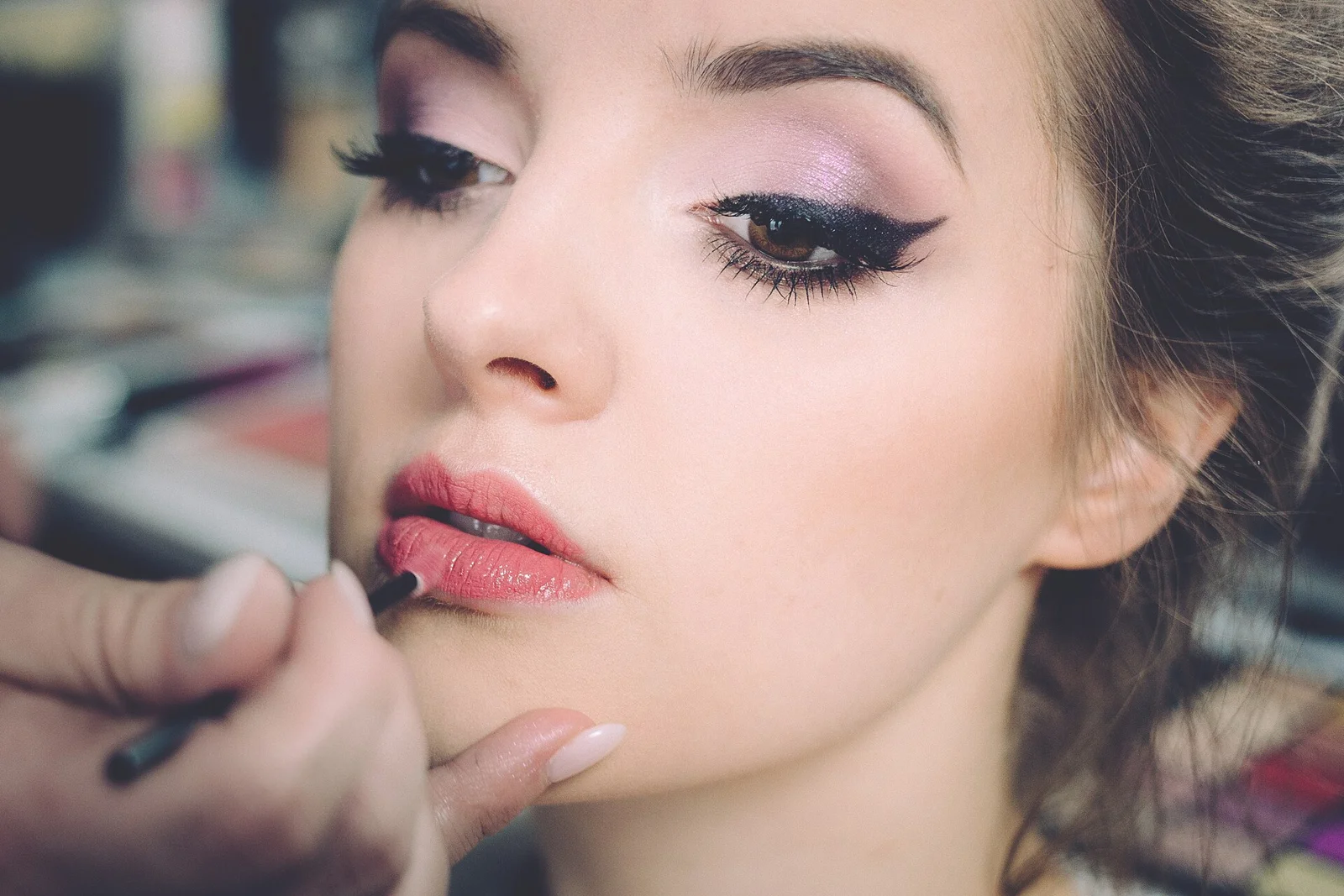
An event can make an ordinary routine seem suddenly inadequate. One more reference image, an unfamiliar styling idea or an extra round of accessory decisions may feel like part of getting properly ready. Before adding them, ask what the actual occasion requires and what has become a ceremony of preparation for its own sake. The two scenes below are invented comparisons, not routines we tested or a promise of a calmer emotional state. Both keep established suitable personal care, prescribed care and any professional instructions intact. FDA guidance to follow cosmetic directions is a constraint, not something this feature shortens to make an event timetable work.
Keep the same practical starting point
Imagine an adult, Leonie, whose appropriate outfit is chosen and whose familiar preparation arrangements fit the time available. There is no unresolved service requirement or essential item missing in this fictional example. The question is what to do with an interval that could remain ordinary or acquire several optional additions.
An hour is the scene's loose setting, not a recommended duration for a beauty routine. A real person may need more or less time, different arrangements or an entirely different plan. No product application, treatment or shortcut is prescribed here.
First scene: finish the known sequence
In the first version, Leonie follows the established routine and puts on the selected outfit. The familiar accessories remain the ones already chosen. Once the necessary preparation is complete, there is room to sit, check the real departure essentials and let the event be the next thing rather than the next preparation task.
The finished appearance has not been certified by a photograph, comparison with a reference image or a friend's approval. It is simply the arrangement Leonie intended to use. Finishing does not mean every possible improvement has been explored.
If a genuine problem appears, it can receive attention. The point is not to ignore a real need in order to preserve a quiet-looking routine. It is to avoid treating the absence of another task as evidence that preparation is incomplete.
Second scene: the optional steps keep multiplying
Now imagine the same beginning followed by a search for another event reference image. That image suggests a different hairstyle, which leads to an unfamiliar tutorial. A new accessory comparison follows, then a decision to photograph several combinations before choosing.
None of those activities is inherently wrong. A person may enjoy them as a separate creative project. In this scene, however, Leonie had wanted a familiar finish before leaving. The additions have changed the purpose of the hour from preparing for an event to reviewing an appearance that was already decided.
The useful omission is therefore specific: leave the new reference search, the unfamiliar tutorial and the optional comparison photographs for another occasion, if they are still wanted. Do not translate that choice into omitting prescribed care, required preparation or a professional's instructions.
Decide whether the extra belongs to the event or to an imagined standard
Ask what would remain unresolved if the optional step disappeared. If a needed fastening, an agreed dress requirement or another actual practical issue is involved, it needs its own proper solution. If the answer is only that a preparation video made the ordinary routine look insufficient, another task may not be necessary.
The event does not have to become a debut for a new version of the person attending. Familiarity can be the chosen quality of this particular preparation. Another day can be set aside for experimenting when that is genuinely the activity wanted, under the relevant guidance.
Let a purchase answer the same question
Before ordering an extra product or accessory, identify the need it would meet in the already chosen plan. Do not let a limited-time appearance in a reference image create urgency that the actual event has not supplied. No new product is recommended here, and familiarity is not a claim that any item is universally suitable.
For this fictional hour, I would keep the first scene: finish what is required and stop adding optional judgments. The reason is that it matches Leonie's stated intention, not that it promises a better mood or a superior event experience.
Sources & further reading
Published sources for the details and examples discussed in this story.