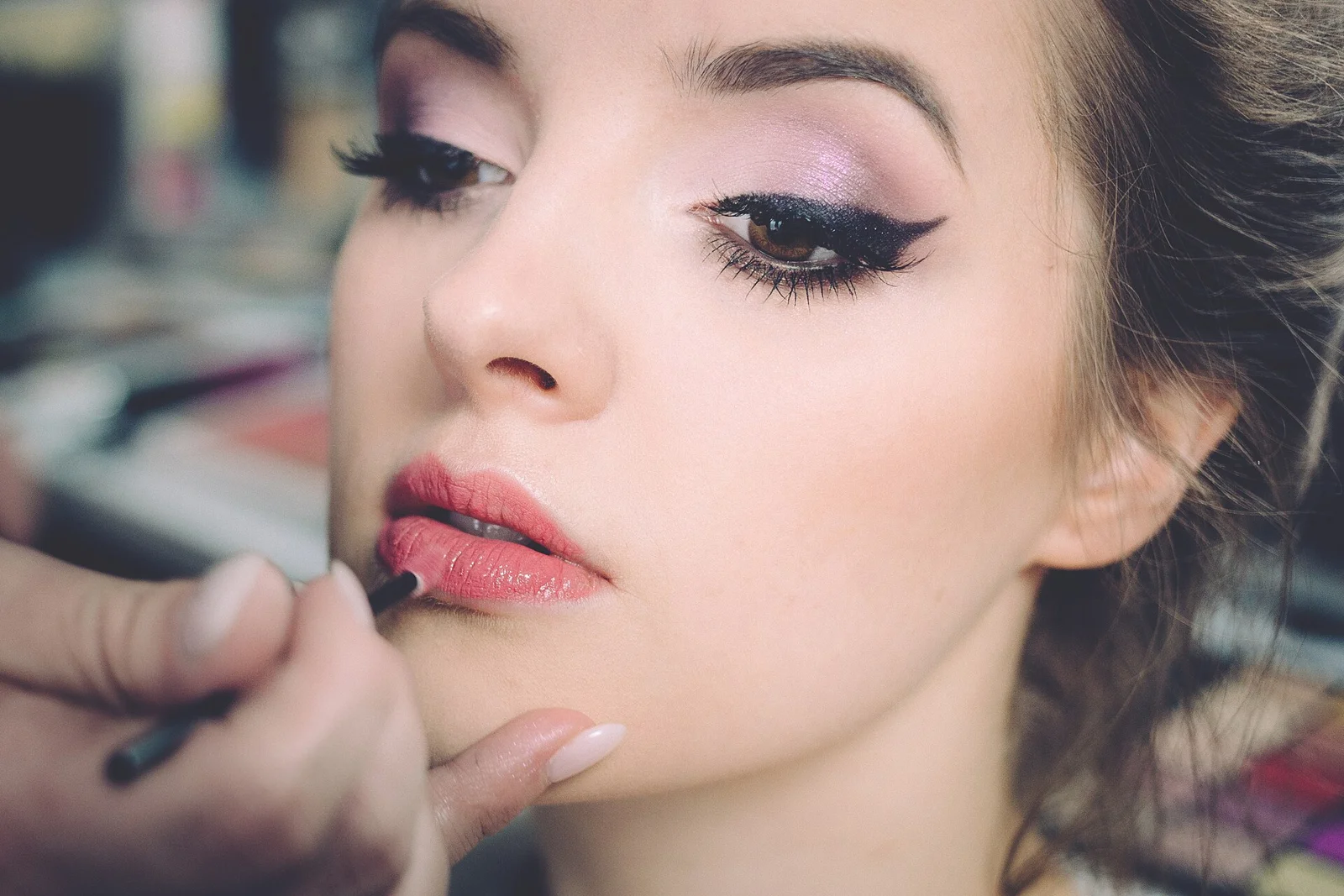
A friend offers a mascara, a shop has an open tester, and an owned tube has dried out. These may all feel like small beauty decisions, but the FDA’s Eye Cosmetic Safety page gives different instructions for them. Keep the situation attached to its instruction. A condition described for a retail sample is not permission to share a friend’s eye makeup, and a product you own does not become suitable for revival with water.
| Situation | FDA instruction to retain | Boundary |
|---|---|---|
| Friend offers eye cosmetics | Do not share or swap, including with friends. | Retail tester wording is not an exception for a loan. |
| Retail eye-cosmetic tester | If you must sample, use a single-use applicator such as a clean swab. | This is not a sterility or zero-risk guarantee. |
| Owned mascara has dried | Discard it; do not add saliva or water. | Ownership does not make a revival method acceptable. |
The friend’s product: decline the sharing
FDA says not to share or swap eye cosmetics, including with friends. The familiarity of the person offering the product does not change that instruction. Keep a personal eye cosmetic personal rather than treating a quick loan as a different category of use.
An easy practical response is to ask for the product name or shade information without using the offered item. That lets you compare a separate purchase while leaving the borrowing decision settled. There is no need to buy an entire matching collection: decide whether you want the individual product, then read its labeling and the seller’s current terms. This is a shopping suggestion, not a tested contamination-control procedure.
The retail tester: preserve the FDA’s conditional wording
The FDA page warns that contamination risk may be greater with retail testers. It says that if you must sample eye cosmetics at a store, use a single-use applicator, such as a clean cotton swab. That is a conditional instruction attached to the retail sampling situation. It supplies no guarantee that a tester is sterile or that sampling has no risk.
Do not transfer the condition to the friend’s mascara case and call sharing acceptable because a different applicator is available. The source’s no-sharing instruction remains. A shopping visit can also end without applying a tester: ask for written shade information or product labeling, and keep any unanswered application or product question with the retailer or manufacturer. A purchase is optional when the available information is insufficient.
The dried mascara: do not turn it into a mixing project
For dried mascara, FDA says to discard it. The page also says not to add saliva or water. It explains that saliva can introduce bacteria and that adding water can introduce bacteria and dilute the preservative intended to protect against microbial growth. Saving the remaining product is therefore the wrong goal for this particular decision.
Record the exact product if you want to replace it, then compare an appropriate new personal item using its current labeling. The guidance does not create a recipe for restoring the old tube. Nor does this article supply a universal storage-life number or claim that a fresh-looking product has passed a contamination test. The problem described here is specifically a dried mascara and the proposed addition of liquid.
Keep ordinary hygiene separate from a safety verdict
The same FDA page calls for clean hands and clean instruments and containers. Those instructions matter, but an image of neatly arranged makeup brushes cannot establish cleanliness, sterilization or suitability for use near the eyes. This article’s brush photograph is cosmetic context, with no demonstrated hygiene result.
A useful personal note has three short entries: what situation you are facing, which source instruction applies, and what you decided. The table preserves those boundaries without pretending that the note measures contamination. If eye cosmetics cause irritation, FDA says to stop using them immediately and see a doctor if irritation persists. This guide offers neither a diagnosis nor a treatment plan.
Sources & further reading
Published sources for the details and examples discussed in this story.