An ordinary visual theme can give a city walk a shape without turning it into a list of required sights. Doorways invite comparisons of openings and boundaries; reflections invite comparisons between objects and their temporary images. Neither theme needs a famous destination, a photograph at every stop or a claim to have discovered a place's history. The two walks below are fictional concepts, not validated routes or accounts of cities we visited. Appropriate routes, conditions and individual suitability must be established separately in a real outing. A visually interesting doorway is not an invitation to enter, and an attractive reflection is not a reason to step into traffic or a restricted area.
Doorways: notice what the opening does
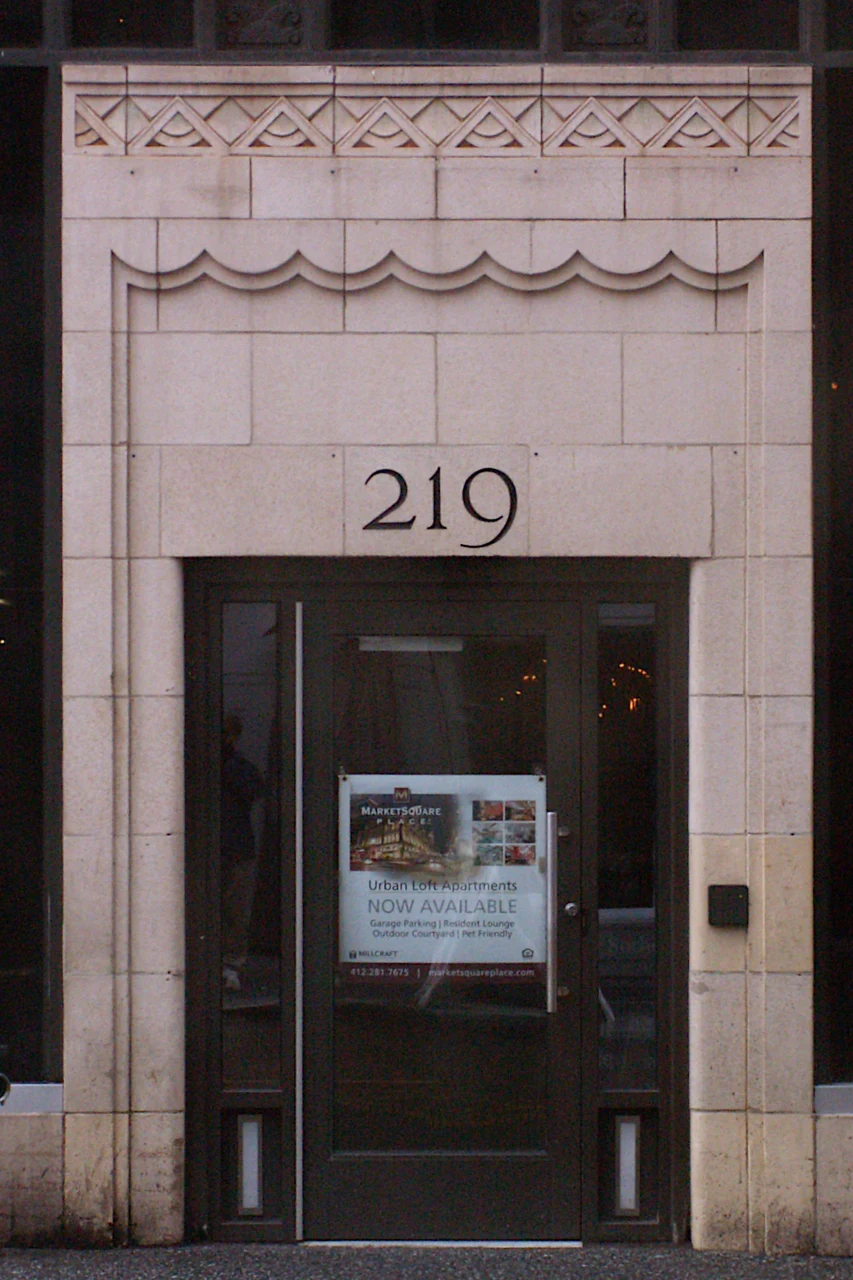
Imagine a public street where three different entrances can be seen from permitted, unobstructive positions. One is a shallow rectangle close to the pavement; another sits farther back beneath an arch; a third has a broad plain surround and a narrow opening. No building dates, ownership or architectural styles are assigned to them.
The theme asks how each opening relates to the surrounding wall. The shallow rectangle reads as part of a flat surface. The recessed opening makes the space between street and door more noticeable. The broad surround gives a small entrance a larger presence. These are imagined visual relationships, not conclusions about security, accessibility or the buildings' functions.
The spontaneous stopping point arrives when a doorway presents an unexpected contrast: a very plain opening beside a more emphatic one. There is no need to find a fourth example to complete a collection. If a suitable place to pause is unavailable, keep moving; the theme does not confer permission to block an entrance or photograph the people using it.
Reflections: follow a changing relationship
The second imaginary walk looks for relationships between ordinary objects and reflective surfaces. A tree appears in a shop window, while a building across the street becomes a pale shape in another pane. A dark interior makes one reflection more noticeable than the other. The interest lies in what two surfaces briefly bring together.
This concept differs from choosing a single best viewpoint in a park. The walker compares several kinds of visual pairing across different street objects, rather than moving around one scene to improve its outline. A reflection may overlap a real object seen through glass, making it temporarily unclear which shape belongs to which side. That uncertainty can be the thing to notice without becoming a puzzle that must be solved.
An unplanned pause might happen where a reflected branch crosses the apparent edge of a building. The relationship can be interesting without a photograph, a shop visit or a purchase. Do not infer anything about the premises or the people inside from the layered view, and respect local restrictions and privacy when considering a camera.
Keep visual interest separate from historical knowledge
The National Park Service's Heritage Travel resource provides information about places significant in history, architecture and culture. That is a different kind of resource from this visual exercise. A doorway that looks old does not establish a date, and a decorative surround does not identify its maker. If a real building's history interests you, consult an appropriate authoritative record instead of turning an impression into a fact.
The theme can remain ordinary. Comparing a plain doorway with a recessed one does not require discovering a landmark. Likewise, an appealing reflection need not become evidence that a street is an overlooked destination. The walk has a coherent interest even if it produces no recommendation for someone else.
Choose whether a guide would add something
A paid tour or guidebook may be useful when you want verified historical interpretation. It is not automatically needed to notice shapes and relationships from places where you are permitted to be. Decide which experience you want before buying. More information can deepen an outing, but a theme should not create a new obligation to collect every fact or stop.
Sources & further reading
Published sources for the details and examples discussed in this story.