An accessible-room label can narrow a hotel search without answering every question that matters to the traveler. The bathroom arrangement, bed configuration and route through the property may be more important than the category name. Before comparing rates, translate the traveler's actual requirements into specific feature questions and obtain answers tied to the room being reserved. This guide uses a U.S. reservation-information framework; it does not assess a property's legal compliance or determine an individual's medical or transfer needs.
Compare information, not reassurance
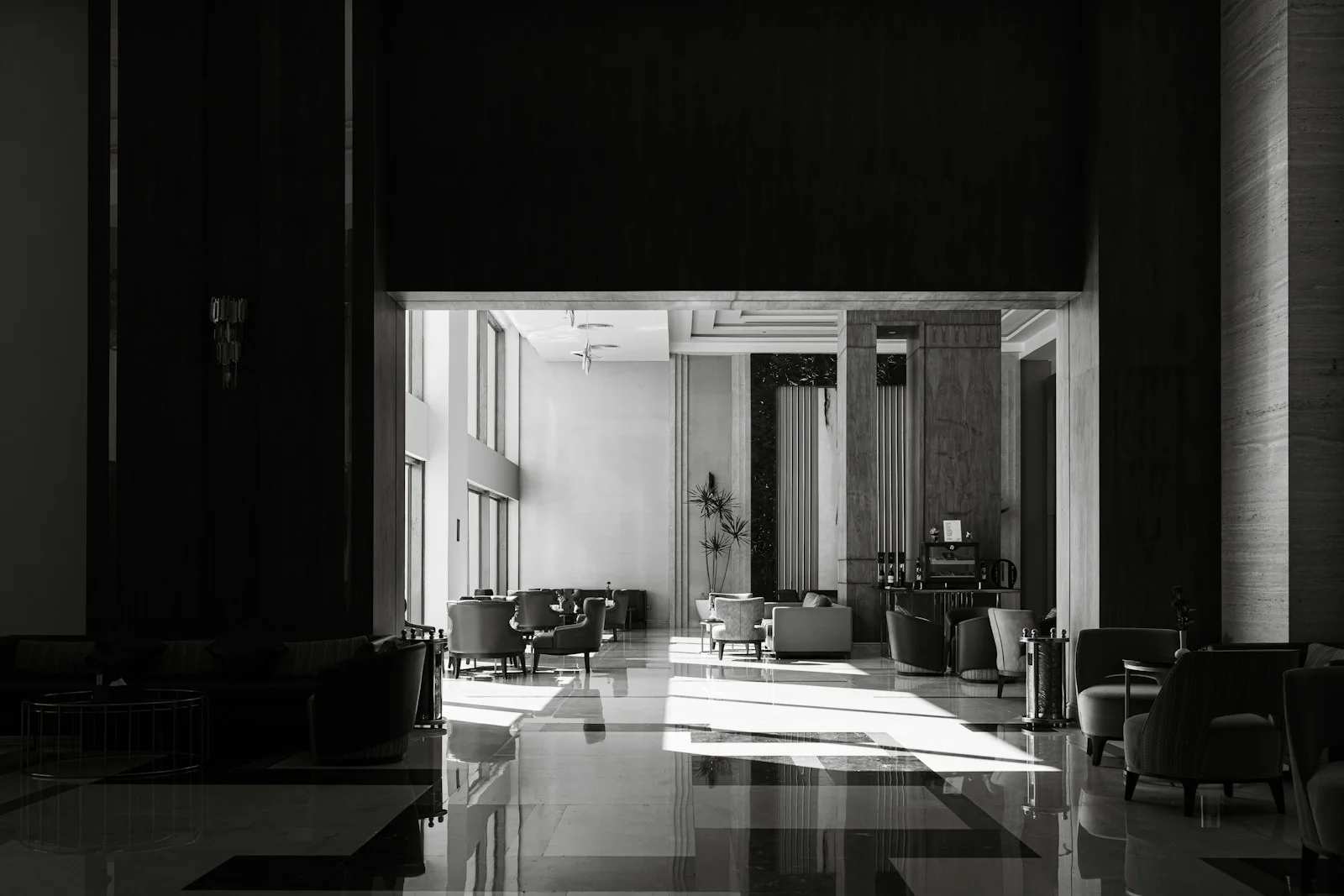
Imagine two hypothetical room descriptions. The first says “accessible room available” beside an attractive bedroom photograph. The second identifies the room type, number of beds, bathing arrangement and a contact who can answer layout questions. The second description supplies more information, but neither is a room inspected or recommended by this publication. The comparison concerns what remains to be established before the traveler decides.
For U.S. places of lodging subject to the relevant ADA Title III reservation rule, section 36.302(e)(1)(ii) calls for accessible-feature descriptions detailed enough for individuals to assess whether a hotel or room meets their accessibility needs. The Department of Justice's accompanying discussion explains why an accessible label alone does not establish every feature. That rule's applicability and other legal obligations are not decided here, and it should not be presented as a universal law for lodging worldwide.
Begin with the traveler's real requirements
Ask the traveler which information is essential rather than assuming that a generic list describes everyone's needs. A person may need to know a doorway's actual clear opening, the room layout around a bed, the number and size of beds, or a particular communication feature. These are examples of questions to tailor, not prescribed dimensions or an instruction about how any person should use equipment.
Separate a requirement from a preference. A view or decorative finish may be flexible, while an essential access feature may not be. That distinction can make a rate comparison more useful: a less expensive room with an unanswered essential question is not yet an equivalent option. Do not ask the traveler to compromise a requirement merely because a booking deadline or promotion makes the uncertain room seem attractive.
The bathroom deserves its own description
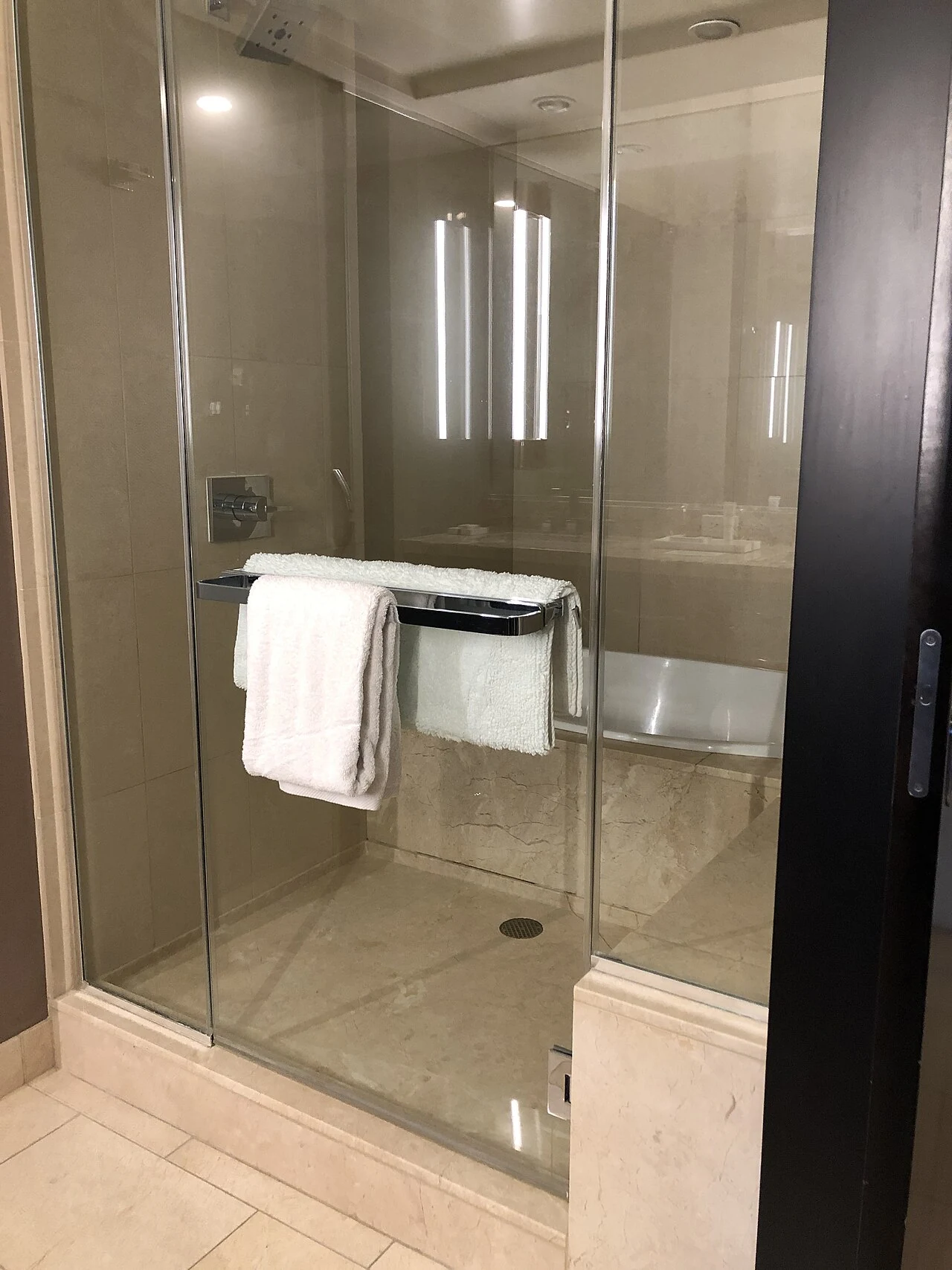
The Department of Justice's lodging discussion specifically notes that accessible bathrooms may have different bathing arrangements, including a bathtub or a roll-in shower in the relevant circumstances. A general accessible-room label therefore does not settle which arrangement is present. Ask about the actual reserved room's bathroom rather than relying on a standard bathroom photograph from the property's gallery.
Where relevant to the traveler's own requirements, ask about layout, the position of specified features and the actual information available from the hotel. A current photograph or plan can help clarify a description, but it is not a substitute for missing measurements or a professional assessment. This article supplies no transfer technique, equipment prescription or declaration that a pictured bathroom is suitable.
The route to the room is another question
A room's features do not describe every part of arriving at the property. Ask about the relevant entrance and route to check-in, the room and the essential services the traveler intends to use. Keep the question concrete: which route is actually available for the proposed arrival and room, and who can clarify an unresolved point?
The DOJ discussion recognizes that information about routes and arrangements can matter, particularly in older facilities. Do not expand that observation into a claim about a particular building's age, compliance or available alternatives. This guide has not surveyed the hotel. Its purpose is to identify information the actual provider needs to supply, not to conduct an accessibility inspection through a booking website.
Tie the answer to the reservation
An answer about one accessible room type should not silently become an answer about another. Retain the exact room description, requested essential features and the provider's written confirmation. If a booking channel uses a general request field, ask how the selected room and features are actually confirmed rather than assuming the typed request establishes them.
If the reservation changes, revisit the essential feature questions. A room upgrade, different bed configuration or changed property may alter what was originally discussed. Do not treat a higher room category as automatic evidence of equivalent accessibility. The relevant comparison remains the actual features and the traveler's requirements, not the price or marketing tier.
Keep unresolved questions visible
Use an appropriate hotel or reservation-service contact for details the listing cannot supply. Share only the personal information needed for the enquiry; a public review thread is not a necessary place for private medical details. If essential information remains unavailable, consider another option or seek suitable support rather than converting a reassuring phrase into a confirmed fact.
No room has been visited, measured or tested for this article. Before purchasing travel, verify the actual current property information, reservation terms and any necessary supporting arrangements. A clear feature enquiry is useful preparation, but it does not guarantee an experience or replace the traveler's own assessment of the information received.
Keep an unanswered essential feature in its own line of the comparison. A written answer about the bed count does not close a separate question about the bathing arrangement.
Sources & further reading
Published sources for the details and examples discussed in this story.